Vignettes and road tolls
Europe charges for motorways in two broad ways: a pass for a period of time, or a toll for the distance you drive. Crossing one border can switch you from one system to the other.
- Vehicle number plate and country of registration
- Every country and motorway on the route
- Vignette receipt or e-vignette confirmation
- Hire company rules on tolls and transponders
first
credit
Iswoar
CC BY-SA 3.0
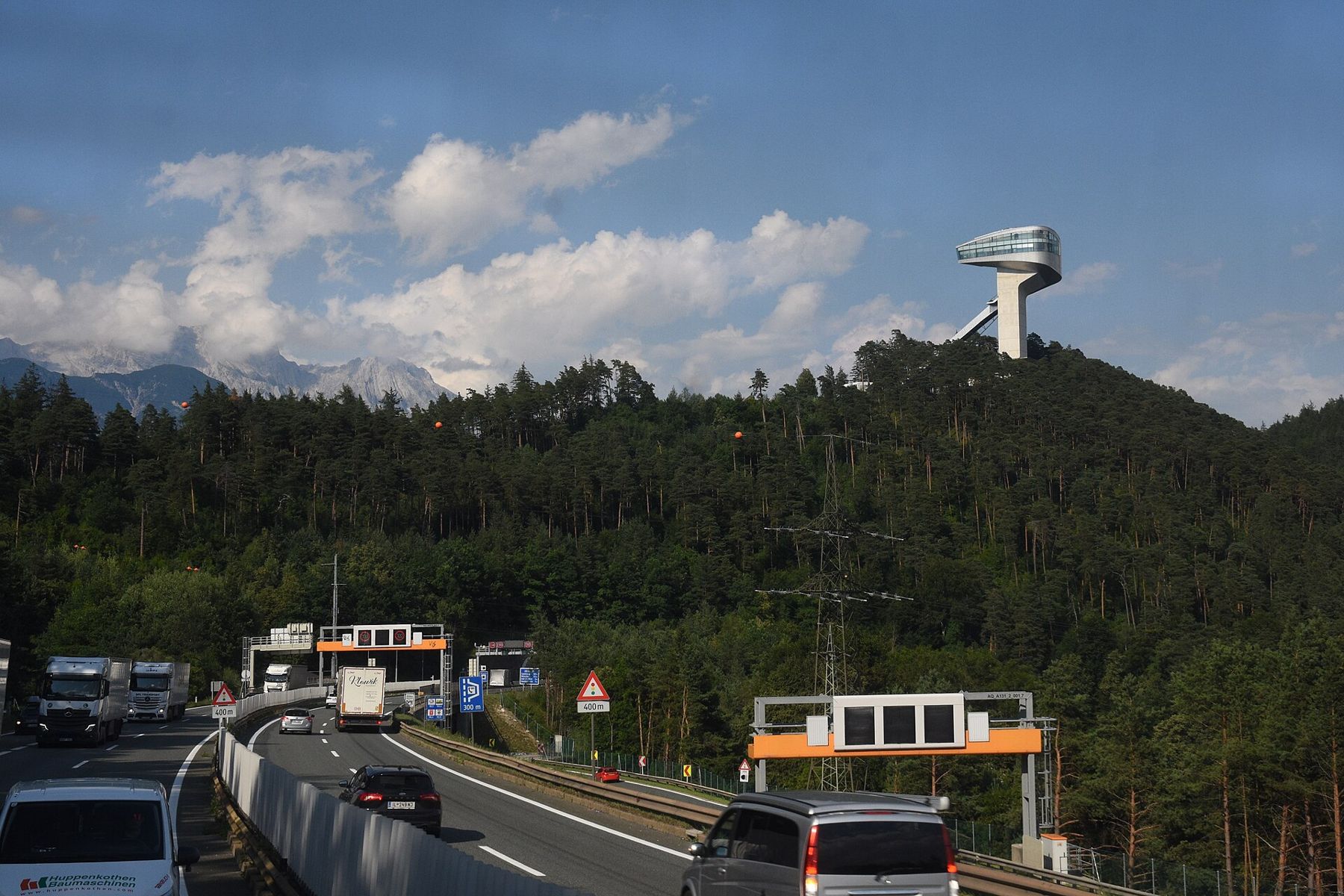
A motorway in Europe is rarely free, but the way you pay for it changes at borders. Some countries sell a vignette: a right to use their motorways for a period of time, whatever distance you drive. Others charge a toll for each stretch you use, collected at barriers or by cameras. A few use both, with special tolls on certain tunnels and passes on top of a vignette.
The penalty for getting it wrong is usually a fine, often larger than the charge itself. The rules are simple once you know which system applies where.
Paying for time: how a vignette works
A vignette is a pass for a vehicle, not for a driver. You buy it for a period, such as a day, a week or two, a couple of months or a year, depending on what each country offers. During that period the vehicle may use the motorways and expressways covered.
Check first, but countries that use time-based vignettes include Switzerland, Austria, Czechia, Slovenia and Hungary, and some of their neighbours use similar systems. The periods on offer, the start rules and the vehicle classes differ from country to country. Switzerland, for example, has long sold only an annual vignette rather than short periods. Read what each one sells before you assume a short pass exists.
A vignette is usually needed from the first metre of motorway after the border. Many drivers are caught within minutes of crossing. If you are entering by motorway, buy the vignette before you reach the border.
credit
Iswoar
CC BY-SA 3.0
Stickers and electronic vignettes
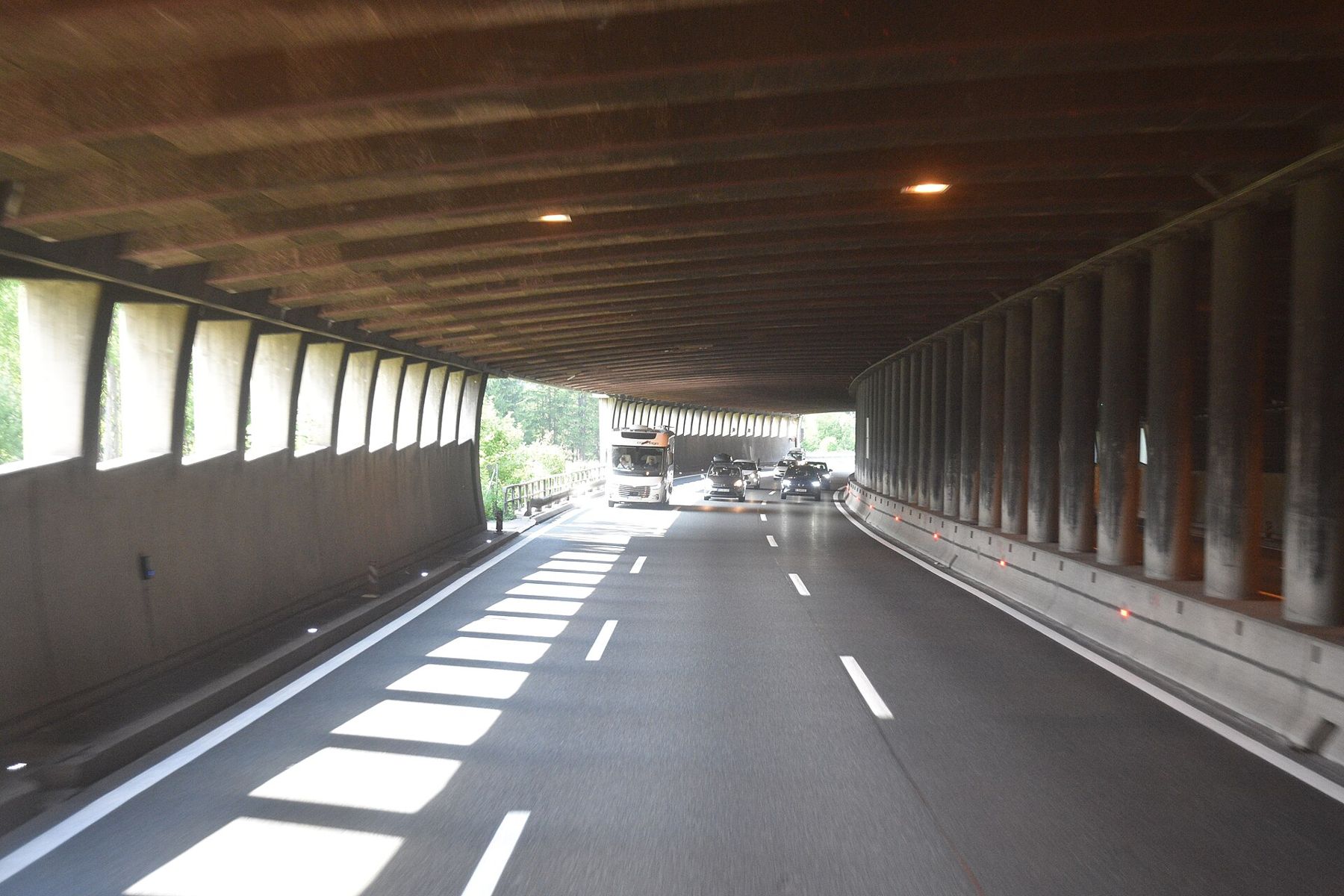
Vignettes used to be stickers fixed to the windscreen. Several countries now sell them as electronic records linked to the number plate, and some have dropped stickers altogether. Cameras on the motorway read plates and check them against the register.
An electronic vignette changes what can go wrong. There is nothing to stick on and nothing to lose, but the number plate and the country of registration must be entered exactly. A wrong letter, a missing space handled differently, or the wrong country code can leave the car unregistered even though you paid. Check the confirmation carefully and keep it until well after the trip.
Buy through the official road authority or its appointed sales points. Some third-party websites resell vignettes with a large mark-up, and some look like official sites. The official authority's site names its own sales channels.
Start dates matter too. Some electronic vignettes bought online for private use do not become valid at once, so buying one at the roadside on your phone may not cover you for the next hour. Read the start rule when you buy.
A wrong letter, a missing space handled differently, or the wrong country code can leave the car unregistered even though you paid.
Paying for distance: tolls by the section
France, Italy and Spain are the best-known examples of distance-based motorway tolls, and Portugal and several other countries use them too. Spain has removed tolls from many of its motorways in recent years, but some remain, so check the route rather than assuming it is free.
The classic system works with a ticket. You take a ticket at a barrier when you join the motorway, and pay at a barrier when you leave, for the distance between the two. On some sections you pay a fixed sum at a single barrier instead. Lanes at the barriers are marked for cards, cash, or electronic tags, and joining a tag-only lane without a tag causes trouble.
The papers at the hire counter should tell you whether the car carries a toll tag, and what you will be charged for using it. See also slip R-01Does a rail pass save money?
Free-flow tolls with no barriers
A growing number of motorways have no barriers at all. Cameras or overhead gantries record the number plate as you pass, and you pay afterwards, online or at a payment point, within a set period. Portugal has used electronic-only tolls on some motorways for years, and free-flow sections are spreading in other countries.
The risk is that you do not notice you have used one. There is no barrier to stop you, and the bill may arrive weeks later, with a penalty for late payment. Watch for signs announcing an electronic toll section, and look up the payment rules for each country on the route before you leave.
credit
Of the individual pictures, Gryffindor ; of this panorama, Roland Geid
CC BY-SA 3.0
Tunnels, passes and other special tolls
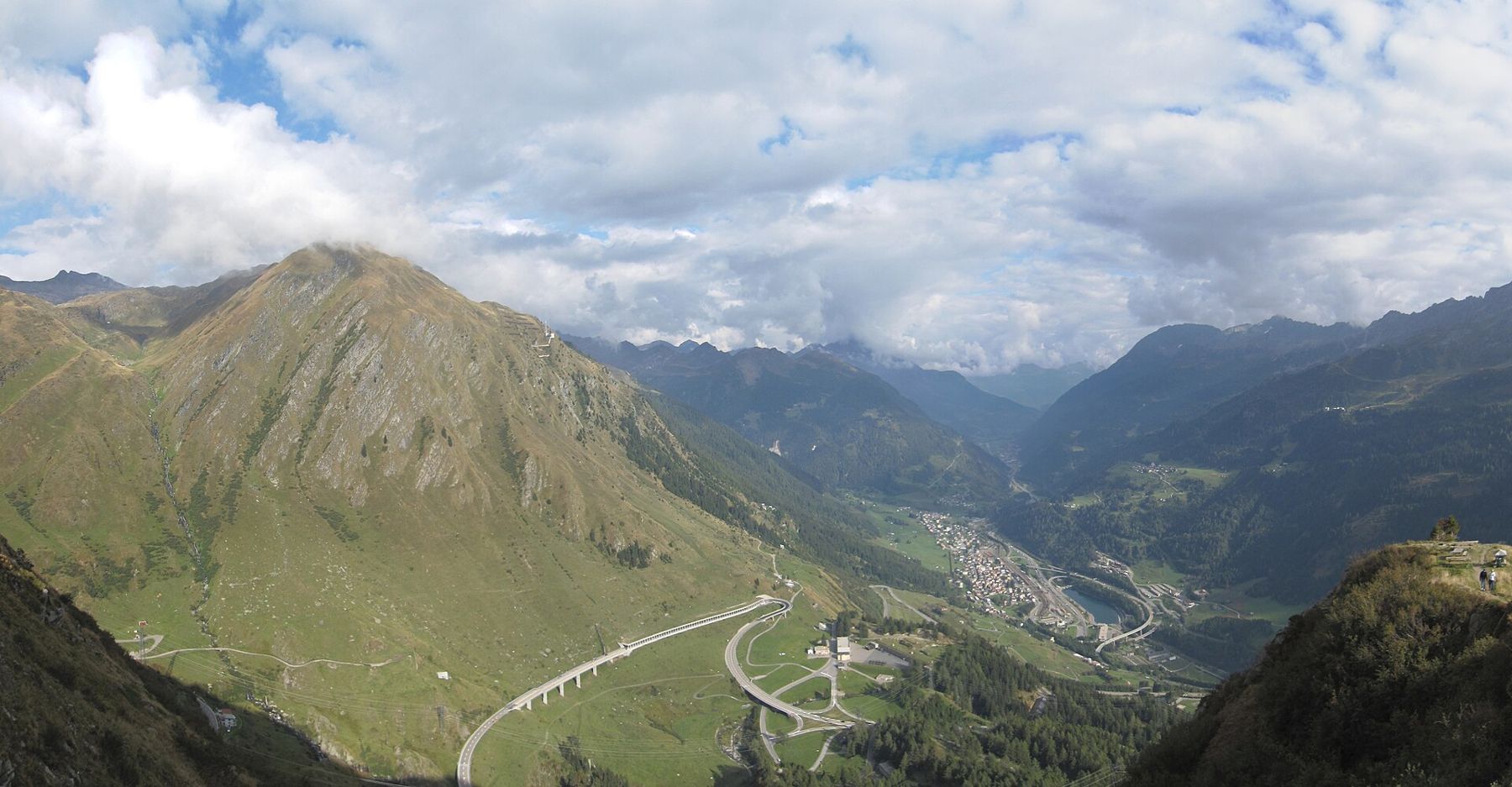
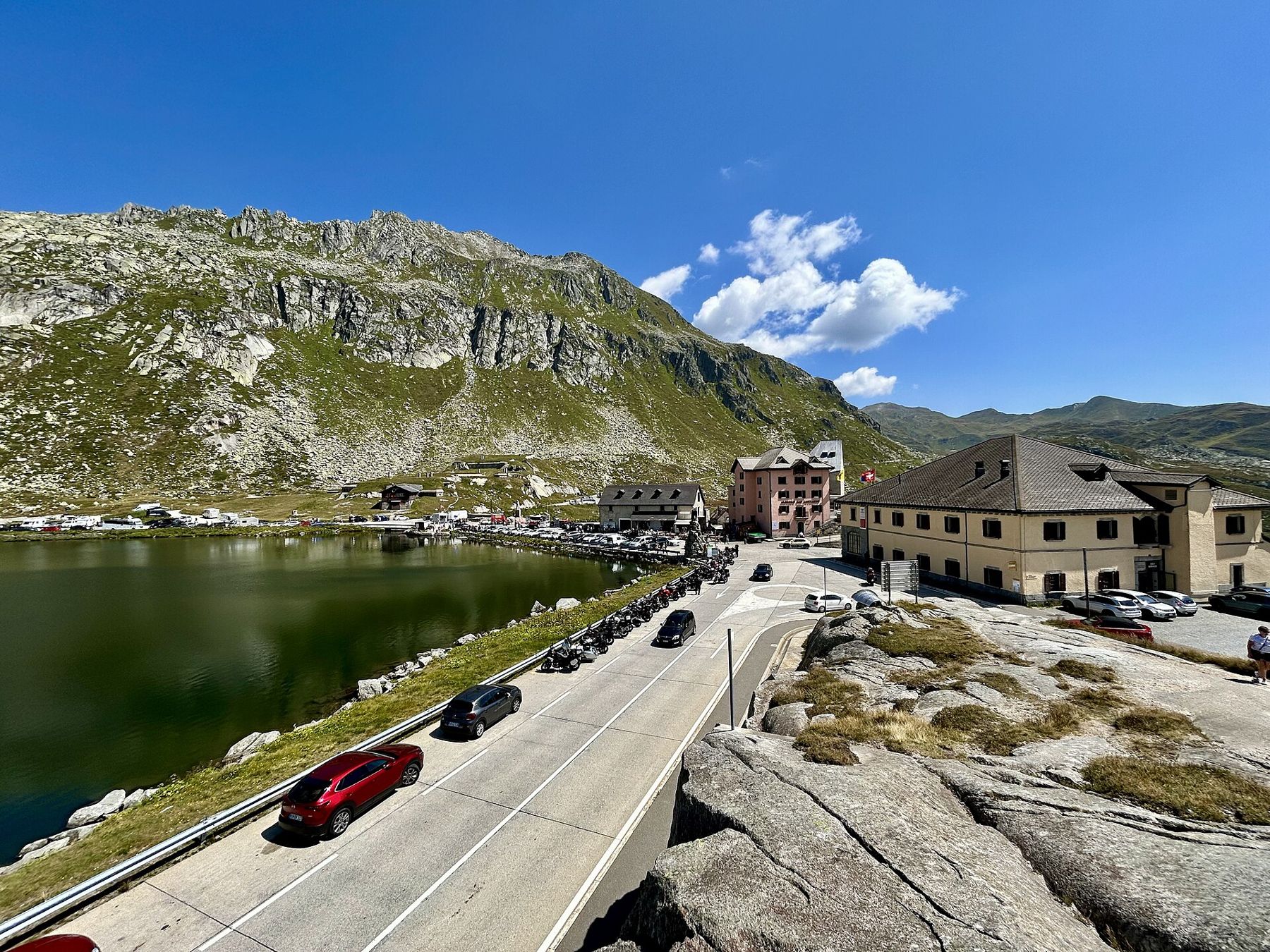
Even in vignette countries, some roads cost extra. Major Alpine tunnels and some mountain passes carry a separate toll, paid at a barrier or bought in advance, on top of any vignette. Some city centres charge to enter, or restrict older or more polluting vehicles, and some of those schemes need registration in advance rather than payment on the day.
Vehicle class matters as well. Vignettes and tolls are priced by type of vehicle, and motorcycles, cars, cars with trailers or caravans, and motorhomes can each fall into different classes. In some vignette countries, heavier vehicles above a set weight leave the vignette system altogether and pay a distance-based charge through an on-board unit instead. If you drive a large motorhome or tow a heavy caravan, check the weight limit and class before you buy anything.
credit
Olgierd Rudak
CC BY-SA 4.0
When you plan a route through the Alps, list each tunnel and pass by name and check whether it has its own charge. Route planners show tolls, but not always the special ones, and not always the vignette.
Hire cars and cars from abroad
A car hired in a vignette country usually comes with that country's vignette already in place, because the company needs it for every renter. It does not come with a vignette for the next country. If you hire a car in a toll country and drive into a vignette country, the vignette for that country is your job.
Before crossing a border in a hire car, check two things. First, whether the hire company allows the car to go there at all; the permit rules and the company's own conditions both apply. Second, how the company handles tolls and fines. Many pass on any fine they receive with an administration fee of their own, and the fine may arrive months after you return the car.
In your own car, the plate is the key. Register the right plate for an electronic vignette, carry any tag your country's system issues, and keep every receipt.
A worked example: if you drive from a distance-tolled country into Austria on 3 August and leave through Slovenia on 9 August, you need an Austrian vignette that covers that week, a Slovenian one from the day you enter, and money or a card for any tunnel tolls in between. Write the route down country by country before you set off.
Each country's national motorway or road authority publishes its own rules, periods and charges, and changes them from time to time. Check with it before every trip, even on a route you have driven before.